
My dearest Vallipuram, the one who cultivates the land, does not think that it will hurt the land to till it, or weed it or build dams and similarly thinking that it will hurt, one should not deliver justice to one. There is no one thing wrong Everything is truth
Yours
Yogaswamy
8.9.55
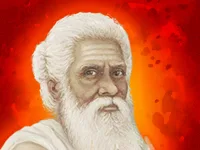
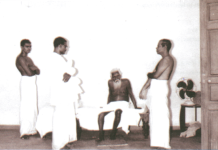
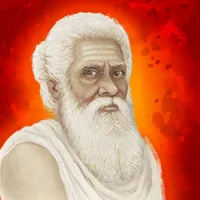
Appu celebrated Sivarathri in Poonakary and one of the many Padayathirais took place from Poonakary to Columbuthurai.Appu continued to guide us to learn all required religious philosophies, Natchinthanai songs and trained us to be good and devoted citizens. Appu taught us with practical examples of good practices and in carrying out our duties both personal and community, well and with utmost care, attention and affection. Appu taught us to perform all our duties regardless of fear or favour and not sway from the path of Dharma. Appu has been more than a grandfather to us. We always went to Appu’s ashram and joined him and other devotees in singing Sivapuranam, Thevarams and Natchinthanai songs with Thuraiappa Appa.
Appu showered us with love and affection more than a mother! Appu continued to spread the religious knowledge, by meeting and inviting scholars to the Ashram. During this period, the SIVATHONDAN articles and other subject matter published on the SIVATHONDAN paper were personally discussed by Appu with Pandit K.K. Nadarajan and the final prints were checked in the front room of Mr Thirunavukarasu’s house. Stamping and posting the paper to members took place from this room. This room in the house is still referred to as the SIVATHONDAN ROOM( சிவதொண்டன் அறை). Sangarapillai master and Visuvalingham master used to assist Pandit K.K. Nadarajan in the posting/dispatching process.
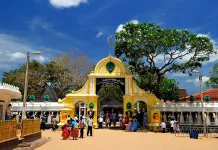
Sivathondan room eventually became Sinnannai’s (Thirugnanasampanthan) study room. Appu selected a few of his dedicated devotees and established SIVATHONDAN SOCIETY to administrate SIVATHONDAN publication, while appointing Pandit K.K.Nadarajan as the editor of SIVATHONDAN journal. This dedicated group of SIVATHONDAN SOCIETY started to produce rich articles on “PERIYAPURANAM” (பெரியபுராணம்) for SIVATHONDAN JOURNAL. Pandit K.K. Nadarajan held this prestigious editor responsibility from 1935 to 1982. During the same period Appu was conducting PURANA classes, THIRUMURAI classes, SITHANTHA classes in temples, shops and in devotees’ houses. In order to manage the SIVATHONDAN publication and to accommodate all religious classes along with meditation, Appu directed the devotees to build SIVTHONDAN NILAYAM in Jaffna. SIVATHONDAN NILAYAM was located in the surroundings of all famous Hindu establishments (Jaffna Hindu College, Vaitheeswaran Temple, Vaitheeswara Vidyalayam and Saiva Paripalana Sapai) in Vannarponnai. Appu’s traditional manner of TIRUVADI worship, continued in the SIVATHONDAN NILAYAM, by installing a pair of THIRUVADI in the meditation room (தியான மண்டபம்). The SIVATHONDAN NILAYAM milk boiling ceremony was held on the 4/11/1953 and the opening ceremony was held on 29/11/1953. On 30/11/1953 the daily poojas and evening PURANA recitals were started. Appu appointed Mr C Visuvalingam as the secretary to the Sivathondan Society Board from 29/11/1953. Mr Visuvalingam retired from this position on 3/10/1959.
Another SIVATHODAN NILAYAM was established in Sithandy, Chenkaladi, Batticaloa in 14/3/1965, (which was the first anniversary of Yogaswamy’s Maha Samathy AYILLIUM day) under direct supervision of Santhaswamy. This was modelled on the same pattern as the SIVATHONDAN NILAYAM in Jaffna. Appu (Yogaswamy) has stayed in Sithandy for a few days when he went on the PATHAYATHIRAI as directed by his Guru Chellappa Swamy along the East coast of Ceylon from Nallur in 1910. For the consecration of the SIVATHONDAN NILYAM in Chenkaladi, THIRUVADI was taken from Jaffna on 13/3/1965 by Santhaswamy arriving in Chenkaladi on the 14/3/1965.
Appu always promoted THIRUVADI (திருவடி ) worship. The second Monday of the Tamil month of March (பங்குனி) was regularly observed by Appu by performing Abishekam and pooja to the THIRUVADI. (Appu was initiated on this day by his Guru Chellappa Swamy).
Appu has explained this THIRUVADI worship in many NATCHINTHANAI songs. Two of these songs are as follows:
(1) UNTHIPARA* (உந்தீபற )
When the supportless is reached by means of support, there are the Lotus Feet – UNTHIPARA, UNTHIPARA,
Then worship has won success – cry UNTHIPARA,
* UNTHIPARA, means literally ‘leap and fly’
‘ஆதாரத்தாலே நிராதாரஞ் சென்ற பின் பாதாரவிந்தமென் றுந்தீபற
பலித்தது பூசையென் றுந்தீபற
(2) THIRUVADI
Refrain, Pallavi
I came searching for the Holy Feet as great wealth
Oh! Holy Grace yielding Lord – Satguru (I came.)
Anu Pallavi
Singing to enjoy Holy Blessings to search in the world.
Grant me to dispel the magical darkness (I came.)
Saranam
Is it right to give me up, is it right
Being loveless – is it Graceful of you
Oh, King who lived in Nallur who said “who knows?”
Oh, Great Lord, the incomparable Chellapan (I came.)
திருவடி
இராகம் :உசேனி தாளம்-ஆதி
பல்லவி
தேடிநின் திருவடியே செல்வமென நாடிவந்தேன்
திருவருள் தந்தாளும் தேவா சற்குருநாதா
அனுபல்லவி
பாடி மகிழும் பாக்கியம் பாரினில் தேட
மூடிய மாய இருள் ஓட அருள் குருவே (தேடி)
சரணம்
அடியேனைக் கைவிடுதல் ஆகுமோ இது தகுமோ
அன்பிலா திருப்பது அடிகளுக் கழகாமோ
அரசே நவ்லுாரில்வாசா ஆரறிவா ரென்றுசொன்ன
அருந்தவனே ஒப்பில்லானே அப்பனே செல்லப்பனே (தேடி):
Further the statements reach for the Head or Holy Head and place the Head pointed by Hand, all point to the meanings of the Holy Feet as the Beginning, or the Source, or the End.
மேலும் தலையிடத்திற் சேர்வீர்,தலைத்தலம் தலையிடத்திற் கைகாட்டிச் சொல்லலுற்றான் என அவர் பயன்படுத்திய தொடர்களில் திருவடியைத் தலையிடம் என மிகத்தெளிவாகவே கூறியிருப்பதைக் காணலாம். எனவே திருவடி என்ற பதத்திற்கு ஒருமையில் பொருள்கொள்ளுமிடத்து ஆரம்பத்தானம் அல்லது ழூலம் அல்லது அடி என்ற பொருளே கொள்ள வேண்டும்.
In both SIVATHONDAN NILAYAMS, daily poojas, Sivapuranam, Thirumurai, Natchinthanai and Sanskrit sloga recitals take place. First Sunday (in Jaffna) and third Sunday (in Chenkaladi) of every month are designated as YAGA days, when meditation is the main observance of the day. This would end in the distribution of the PRASAADAM to all devotees. SIVATHONDAN NILAYAM was set up to encourage both young and old towards the path of self-help, duty and salvation